
Why Authority Signals Define Long-Term SEO Success
Search engines aim to deliver the most trustworthy and valuable information to users. As a result, modern ranking algorithms evaluate not only the relevance of content but also the overall authority and credibility of the websites that publish it. Domain authority, topical trust, and backlink credibility have become central signals used to determine which websites deserve higher positions in search results.
Authority building in SEO refers to the strategic process of increasing a website’s trustworthiness through high-quality content, strong backlink profiles, brand recognition, and consistent expertise within a specific niche. Industry research from Backlinko shows that authoritative websites with strong backlink networks consistently outperform weaker competitors in organic rankings.
Similarly, analytical insights from SEMrush demonstrate that backlinks from reputable domains significantly influence search engine trust signals. However, modern authority building is not limited to backlinks alone. Search engines now evaluate brand signals, expertise, content quality, and user engagement when determining credibility.
This article explores the strategies used to build strong domain authority, explains how search engines evaluate website credibility, and outlines practical frameworks for establishing long-term trust within competitive search environments.
Understanding Domain Authority in Modern SEO
The Concept of Website Trust and Credibility
Domain authority represents a website’s perceived credibility within search engine ecosystems. Although different SEO platforms measure authority using proprietary metrics, the underlying concept remains consistent: websites with strong reputations, valuable content, and trusted backlinks tend to rank higher.
Search engines analyze multiple signals when evaluating website authority.
Key authority indicators include:
- Quality backlinks from trusted domains
- Consistent topical expertise
- Strong user engagement metrics
- Brand recognition across the web
- High-quality original content
- Positive reputation signals
When these elements work together, search engines develop stronger confidence in the reliability of the website.
The Relationship Between Backlinks and Authority
Backlinks remain one of the most influential factors in authority building. When reputable websites link to a page, they effectively endorse its credibility.
However, the quality of backlinks matters significantly more than quantity.
Types of Backlinks and Their Authority Value
| Backlink Type | Description | Authority Impact |
|---|---|---|
| Editorial Links | Naturally earned links from quality content | Very High |
| Guest Article Links | Links within contributed articles | High |
| Industry Resource Links | Listings in niche directories | Moderate |
| Community Links | Forum or discussion mentions | Low |
| Spam Links | Manipulative or irrelevant links | Negative |

Websites that earn editorial backlinks from respected publications often experience noticeable improvements in search visibility.
Topical Authority and Content Expertise
Search engines prefer websites that demonstrate consistent expertise within specific subject areas. This concept is often referred to as topical authority.
Rather than publishing unrelated content across many industries, successful websites build authority around a focused set of topics.
How Topical Authority Works
A website develops topical authority by publishing multiple interconnected articles that cover different aspects of the same subject.
For example, a website focused on SEO might publish content related to:
- Keyword research strategies
- Technical optimization techniques
- On-page SEO frameworks
- Link-building methodologies
- Search performance analytics
Example of a Topical Content Structure
| Content Level | Content Type | Purpose |
|---|---|---|
| Pillar Content | Comprehensive guides | Establish topic authority |
| Cluster Articles | Supporting articles | Expand knowledge depth |
| Tutorials | Practical instructions | Provide actionable insights |
| Case Studies | Real-world examples | Demonstrate expertise |
This layered structure signals to search engines that the website is a credible source of information on the subject.
Brand Signals and Their Impact on SEO Authority
Brand recognition plays an increasingly important role in search engine rankings. When users actively search for a brand name or reference it across the web, search engines interpret this behavior as a sign of credibility.
Types of Brand Signals
Several signals indicate brand strength:
- Brand-related search queries
- Mentions on reputable websites
- Social media engagement
- Media coverage
- Citations in industry publications
Brand Signal Evaluation
| Signal Type | Impact on Authority |
|---|---|
| Branded Searches | High |
| Online Mentions | Medium |
| Social Signals | Medium |
| Reviews and Ratings | Moderate |
Strong brand signals reinforce the credibility of a website and improve its overall authority profile.
Content Quality and Expertise Signals
High-quality content forms the backbone of authority building. Search engines evaluate content based on depth, accuracy, originality, and usefulness.
Websites that consistently publish authoritative information gain recognition as trusted resources.
Characteristics of Authoritative Content
High-authority content typically demonstrates:
- Comprehensive topic coverage
- Evidence-based explanations
- Clear writing structure
- Accurate data and examples
- Regular updates to maintain relevance
Content Quality Comparison
| Low Authority Content | High Authority Content |
|---|---|
| Short and superficial | Detailed explanations |
| Repetitive information | Original insights |
| Poor formatting | Structured readability |
| Outdated information | Updated regularly |
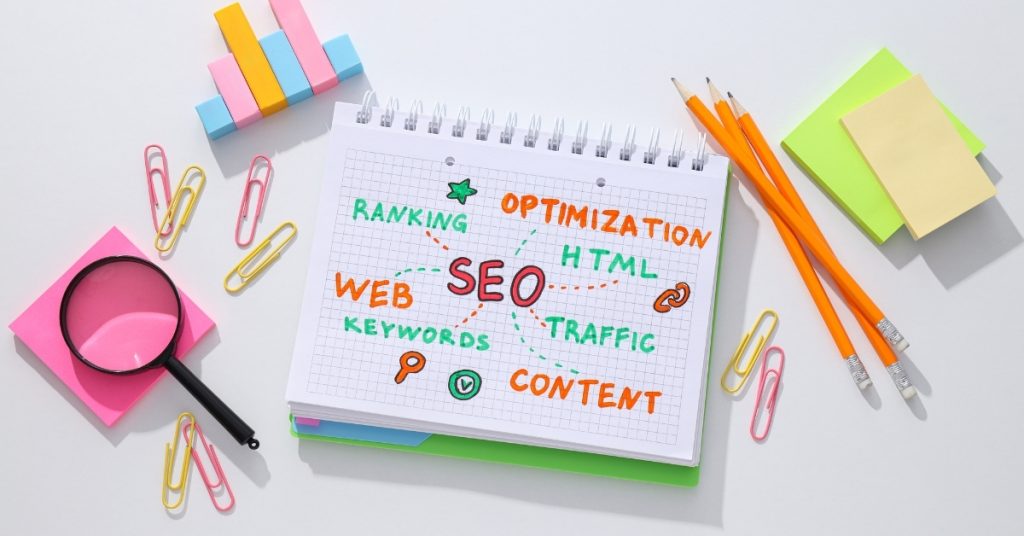
Consistent content quality significantly improves long-term search visibility.
Strategic Link Building for Authority Growth
Modern link building focuses on earning high-quality backlinks rather than artificially generating large numbers of links.
Ethical Link Building Strategies
Professional SEO teams often implement several link acquisition techniques:
- Publishing research-based articles
- Creating shareable data studies
- Contributing expert guest posts
- Building industry partnerships
- Developing useful tools or resources
These strategies attract natural links because they provide genuine value to readers.
Example Link Acquisition Methods
| Method | Description | Result |
|---|---|---|
| Research Content | Publish unique data | Attract editorial links |
| Industry Guides | Comprehensive tutorials | Encourage references |
| Expert Interviews | Collaborate with experts | Increase credibility |
| Resource Pages | Curated information hubs | Earn citations |
These approaches align with search engine guidelines and support sustainable authority growth.
Content Clusters and Authority Reinforcement
Content clusters represent one of the most effective strategies for building topical authority. A cluster consists of a primary pillar article supported by multiple related articles that link back to the main topic.
How Content Clusters Work
Content clusters strengthen authority by connecting related topics through internal links.
Example cluster structure:
| Content Type | Purpose |
|---|---|
| Pillar Article | Comprehensive topic overview |
| Cluster Article 1 | Sub-topic explanation |
| Cluster Article 2 | Technical deep dive |
| Cluster Article 3 | Authority analysis |
| Cluster Article 4 | Industry insights |
This internal structure helps search engines understand topic relationships and prioritize authoritative sources.
User Engagement as an Authority Signal
User engagement metrics provide valuable insights into content quality. Search engines observe how users interact with pages to determine whether the content satisfies search intent.
Key Engagement Metrics
Important user behavior signals include:
- Average time on page
- Bounce rate
- Scroll depth
- Pages per session
- Return visitors
Engagement Signal Interpretation
| Metric | Interpretation |
|---|---|
| High Time on Page | Users find content valuable |
| Low Bounce Rate | Visitors explore additional pages |
| High Scroll Depth | Content is engaging |
| Repeat Visitors | Strong brand loyalty |
Websites that consistently deliver valuable content tend to achieve stronger engagement metrics.
Reputation Management and Trust Signals
Online reputation strongly influences perceived authority. Negative reviews, spammy backlinks, or misleading information can reduce trust signals.
Effective SEO strategies therefore include reputation management.
Reputation Building Techniques
Organizations strengthen trust through:
- Publishing transparent information
- Responding to customer feedback
- Maintaining accurate company details
- Monitoring brand mentions online
- Addressing negative feedback professionally
Reputation Impact on SEO
| Reputation Factor | SEO Influence |
|---|---|
| Positive Reviews | Builds trust |
| Transparent Policies | Enhances credibility |
| Professional Branding | Improves recognition |
Maintaining a strong reputation supports both brand authority and search rankings.
Authority Growth Through Industry Collaboration
Collaboration with industry experts can significantly strengthen authority signals.
Collaborative Authority Strategies
Examples include:
- Expert roundups
- Podcast appearances
- Joint research studies
- Co-authored articles
- Industry webinars
Collaboration Benefits
| Collaboration Type | SEO Advantage |
|---|---|
| Expert Contributions | Increased credibility |
| Industry Partnerships | Expanded audience reach |
| Research Projects | Earn authoritative backlinks |
These partnerships introduce new audiences while reinforcing expertise signals.
Measuring Domain Authority Progress
Tracking authority growth helps businesses evaluate the effectiveness of their SEO strategies.
Key Authority Metrics
Several indicators provide insights into authority development:
- Backlink quality and diversity
- Referring domain growth
- Organic traffic increases
- Brand search volume
- Content engagement levels
Authority Monitoring Framework
| Metric | Measurement Goal |
|---|---|
| Referring Domains | Increase steadily |
| High-Authority Links | Gain from trusted sites |
| Organic Traffic | Continuous growth |
| Brand Mentions | Expand across platforms |
Consistent monitoring allows SEO teams to adjust strategies and strengthen authority over time.
Long-Term Strategy for Sustainable Authority
Authority building requires patience and strategic consistency. Unlike short-term ranking tactics, authority grows gradually through continuous effort.
Sustainable Authority Development Plan
Successful websites typically follow these steps:
- Define a clear topical niche
- Publish comprehensive pillar content
- Develop supporting topic clusters
- Earn high-quality backlinks
- Strengthen brand signals
- Maintain consistent content updates
This systematic approach creates a strong reputation that search engines recognize over time.
Conclusion
Domain authority represents one of the most powerful drivers of long-term SEO success. Search engines prioritize websites that demonstrate trustworthiness, expertise, and strong reputational signals. By combining strategic link building, topical authority development, brand recognition, and high-quality content, businesses can significantly strengthen their credibility in search results.
Authority building requires patience and strategic consistency, but the long-term rewards are substantial. Websites that establish strong authority not only achieve higher rankings but also gain sustained organic traffic, improved brand recognition, and greater influence within their industries.
The next article in this topical cluster will focus on the commercial side of SEO services, explaining how businesses can leverage professional SEO solutions to achieve measurable growth and long-term online success.